 DE
DE  EN
EN 



Gepinnte Beiträge
Neueste Aktivitäten
-
greetings to all , this is the link to the journel https://roehriginstitut.com/international-journal-on-p6-medicine which i am relaesing on 21 june , if you aer intersted to be a part of it please send me an email on prof.a.roehrig@gmx.de .Beitrag wartet auf FreischaltungBeitrag wurde veröffentlicht, er ist jetzt im Stream sichtbar.
-
 greetings to all , this is the link to the journel https://roehriginstitut.com/international-journal-on-p6-medicine which i am relaesing on 21 june , if you aer intersted to be a part of it please send me an email on prof.a.roehrig@gmx.de .Beitrag wartet auf FreischaltungBeitrag wurde veröffentlicht, er ist jetzt im Stream sichtbar.
 -
Beitrag wartet auf FreischaltungBeitrag wurde veröffentlicht, er ist jetzt im Stream sichtbar.
-
Beitrag wartet auf FreischaltungBeitrag wurde veröffentlicht, er ist jetzt im Stream sichtbar.
-
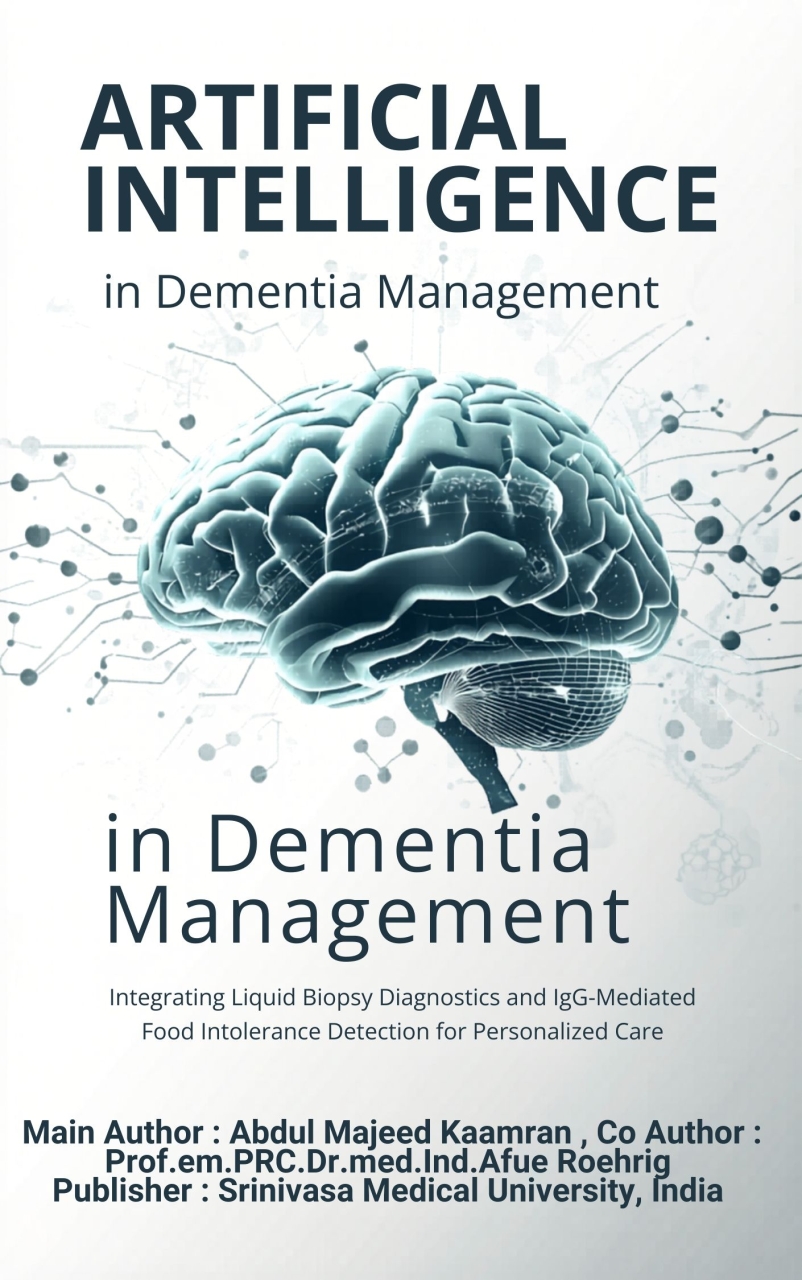
DEmentia DEcoded
Sub Title: Artificial Intelligence in Dementia Management: Integrating Liquid Biopsy Diagnostics and IgG-Mediated Food Intolerance Detection for Personalized Care
Main Author : Abdul Majeed Kaamran , Co Author : Prof.em.PRC.Dr.med.Ind.Afue Roehrig
Publisher : Srinivasa Medical University, India
Book Summary:
In "Artificial Intelligence in Dementia Management: Integrating Liquid Biopsy Diagnostics and IgG-Mediated Food Intolerance Detection for Personalized Care," readers...DEmentia DEcodedMehr
Sub Title: Artificial Intelligence in Dementia Management: Integrating Liquid Biopsy Diagnostics and IgG-Mediated Food Intolerance Detection for Personalized Care
Main Author : Abdul Majeed Kaamran , Co Author : Prof.em.PRC.Dr.med.Ind.Afue Roehrig
Publisher : Srinivasa Medical University, India
Book Summary:
In "Artificial Intelligence in Dementia Management: Integrating Liquid Biopsy Diagnostics and IgG-Mediated Food Intolerance Detection for Personalized Care," readers are invited to explore the transformative potential of artificial intelligence (AI) in revolutionizing dementia care. This comprehensive volume delves into the intersection of cutting-edge technology and medical innovation, highlighting the critical role AI plays in enhancing diagnostic precision and personalizing treatment strategies for dementia patients.
 Beitrag wartet auf FreischaltungBeitrag wurde veröffentlicht, er ist jetzt im Stream sichtbar.
 -
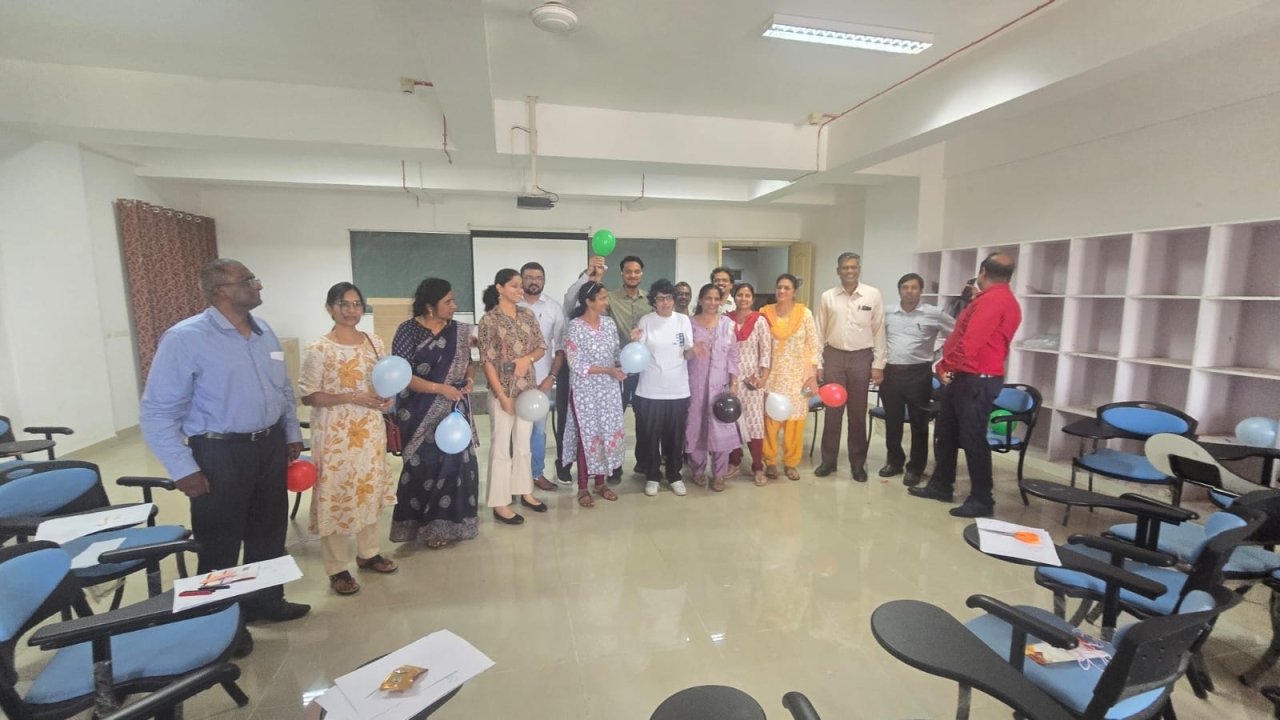
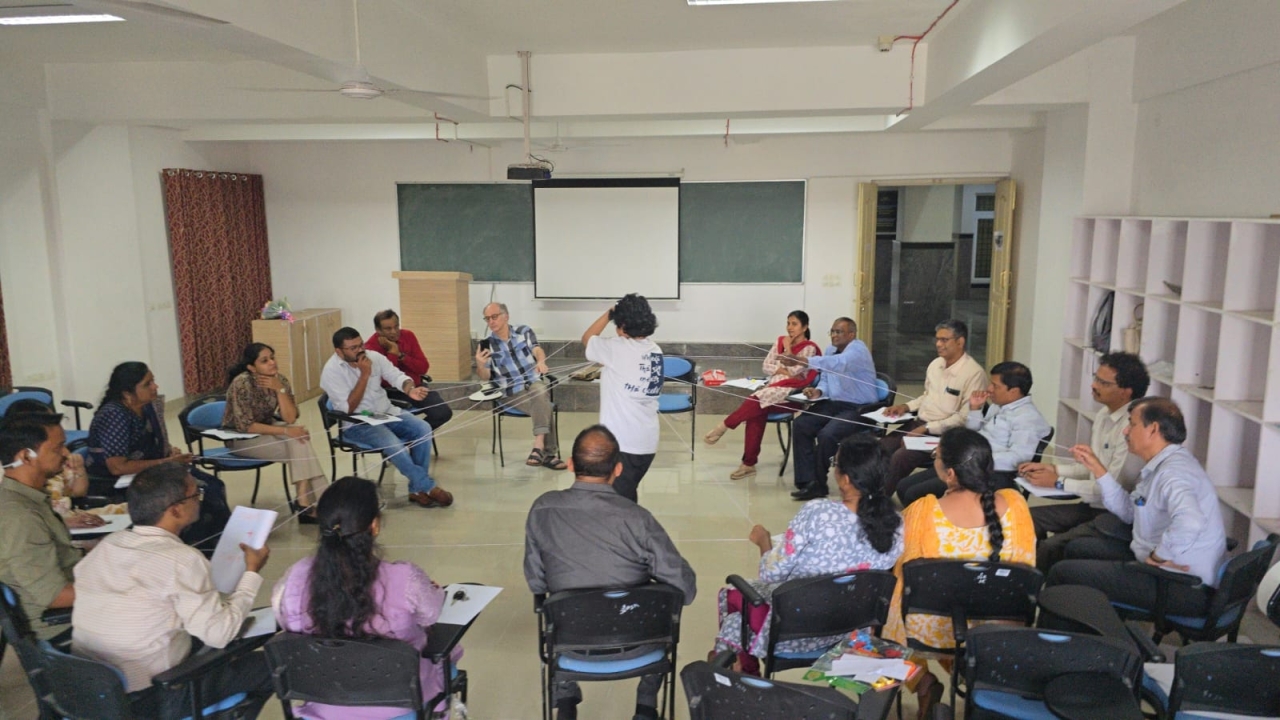
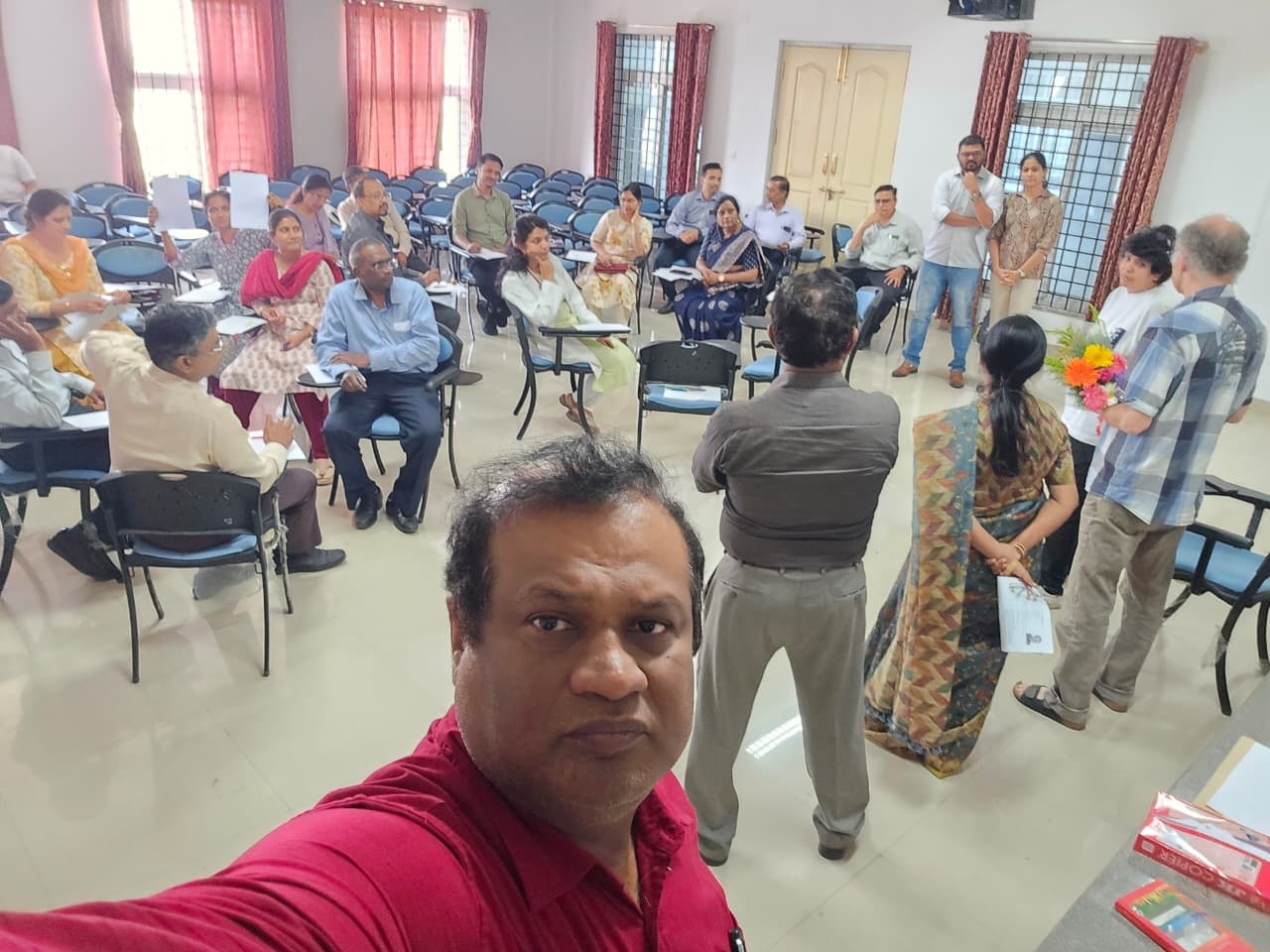
Afue Roehrig haben 6 Fotos in das Fotoalbum Quality of life workshop at Bangalore medical collage, Bangalore - India hochgeladen.Beitrag wartet auf FreischaltungBeitrag wurde veröffentlicht, er ist jetzt im Stream sichtbar.
-
Translation of Healthcare by Liquid Biopsy from Lab to Clinics
Author: Prof. em. PRC.Dr.med.Ind .Afü Röhrig, MD , PhD (Public Health Genetics), Röhrig Institute GmbH, Bonn, Germany
Abstract
The translation of healthcare innovations from laboratory research to clinical practice represents one of the most critical challenges in modern medicine. Among these innovations, liquid biopsy has emerged as a transformative diagnostic and prognostic tool, offering a minimally invasive alternative to...Translation of Healthcare by Liquid Biopsy from Lab to ClinicsMehr
Author: Prof. em. PRC.Dr.med.Ind .Afü Röhrig, MD , PhD (Public Health Genetics), Röhrig Institute GmbH, Bonn, Germany
Abstract
The translation of healthcare innovations from laboratory research to clinical practice represents one of the most critical challenges in modern medicine. Among these innovations, liquid biopsy has emerged as a transformative diagnostic and prognostic tool, offering a minimally invasive alternative to traditional tissue biopsies. This paper explores the translational journey of liquid biopsy technologies—from molecular discovery and validation in research laboratories to their integration into clinical workflows. The discussion emphasizes the scientific, regulatory, and ethical dimensions of this transition, highlighting the potential of liquid biopsy to redefine precision medicine, early disease detection, and patient monitoring across oncology, cardiology, and infectious diseases.
Liquid biopsy refers to the analysis of circulating biomarkers such as cell-free DNA (cfDNA), circulating tumor DNA (ctDNA), exosomes, and circulating tumor cells (CTCs) obtained from body fluids, primarily blood [1]. These biomarkers provide real-time insights into disease dynamics, enabling clinicians to monitor tumor evolution, therapeutic response, and minimal residual disease without the need for invasive procedures [2]. The concept of liquid biopsy aligns with the paradigm shift toward personalized medicine, where diagnostic precision and patient-specific treatment strategies are prioritized.
The translational process of liquid biopsy involves several stages: discovery, analytical validation, clinical validation, regulatory approval, and clinical implementation [3]. In the discovery phase, molecular signatures associated with disease states are identified through high-throughput sequencing and bioinformatics. Analytical validation ensures reproducibility, sensitivity, and specificity of assays, while clinical validation confirms their predictive and prognostic value in patient populations [4]. Regulatory frameworks, such as those established by the European Medicines Agency (EMA) and the U.S. Food and Drug Administration (FDA), play a pivotal role in ensuring that liquid biopsy assays meet safety and efficacy standards before clinical deployment [5].
One of the most significant applications of liquid biopsy is in oncology. The detection of ctDNA mutations has revolutionized cancer diagnostics, allowing for early detection, monitoring of treatment response, and identification of resistance mechanisms [6]. For example, the detection of EGFR mutations in plasma cfDNA has become a standard practice in managing non-small cell lung cancer (NSCLC) [7]. Similarly, liquid biopsy facilitates longitudinal monitoring of tumor heterogeneity, providing a dynamic view of cancer evolution that tissue biopsies cannot capture [8]. Beyond oncology, liquid biopsy is gaining traction in cardiology for detecting myocardial injury through cfDNA methylation patterns and in infectious diseases for pathogen detection and antimicrobial resistance profiling [9].
Despite its promise, the clinical translation of liquid biopsy faces several challenges. Technical limitations such as low biomarker abundance, pre-analytical variability, and lack of assay standardization hinder reproducibility across laboratories [10]. Moreover, the interpretation of complex genomic data requires advanced bioinformatics infrastructure and trained personnel. Ethical considerations also arise regarding incidental findings, data privacy, and equitable access to these advanced diagnostics [11]. Addressing these challenges requires a multidisciplinary approach involving clinicians, molecular biologists, data scientists, and policymakers.
The integration of liquid biopsy into clinical practice is further influenced by health economics and policy frameworks. Cost-effectiveness analyses are essential to justify reimbursement and large-scale adoption [12]. Studies have demonstrated that liquid biopsy can reduce healthcare costs by minimizing unnecessary invasive procedures and enabling earlier therapeutic interventions [13]. However, disparities in access between high-income and low- to middle-income countries remain a concern, emphasizing the need for global health strategies that promote equitable implementation [14].
Digital health technologies and artificial intelligence (AI) are accelerating the translation of liquid biopsy into routine care. Machine learning algorithms enhance biomarker discovery, improve diagnostic accuracy, and facilitate real-time clinical decision support [15]. Integration with electronic health records (EHRs) allows for longitudinal patient monitoring and population-level analytics, fostering a learning healthcare system [16]. The convergence of liquid biopsy with digital health thus represents a new frontier in precision medicine, where molecular diagnostics and data-driven insights coalesce to improve patient outcomes.
From a translational research perspective, the success of liquid biopsy depends on robust collaboration between academia, industry, and regulatory bodies. Public-private partnerships and consortia, such as the BloodPAC initiative and European Liquid Biopsy Consortium, have been instrumental in establishing standardized protocols and data-sharing frameworks [17]. These collaborations ensure that discoveries made in research laboratories are efficiently validated and translated into clinically actionable tools.
Future directions in liquid biopsy research include expanding its utility beyond cancer to encompass neurodegenerative, autoimmune, and metabolic diseases. The development of multi-omics approaches—integrating genomics, proteomics, metabolomics, and transcriptomics—will enhance the sensitivity and specificity of liquid biopsy assays [18]. Furthermore, advances in nanotechnology and microfluidics are expected to improve biomarker capture efficiency and assay miniaturization, facilitating point-of-care applications [19].
In conclusion, the translation of healthcare through liquid biopsy exemplifies the transformative potential of molecular diagnostics in bridging the gap between laboratory innovation and clinical application. By enabling real-time, non-invasive disease monitoring, liquid biopsy not only enhances diagnostic precision but also empowers personalized therapeutic strategies. Continued investment in research, regulatory harmonization, and digital integration will be essential to fully realize its potential in global healthcare systems. The journey from lab to clinic underscores the evolving landscape of translational medicine—where innovation, ethics, and patient-centered care converge to redefine the future of diagnostics and treatment.
Keywords
Liquid biopsy; translational medicine; precision oncology; circulating tumor DNA; cell-free DNA; exosomes; clinical validation; digital health; artificial intelligence; personalized medicine; biomarker discovery; regulatory science; healthcare innovation
References
Alix-Panabières C, Pantel K. Liquid biopsy: from discovery to clinical application. Cancer Discov. 2021;11(4):858–873.
Wan JCM, Massie C, Garcia-Corbacho J, et al. Liquid biopsies come of age: towards implementation of circulating tumour DNA. Nat Rev Cancer. 2017;17(4):223–238.
Crowley E, Di Nicolantonio F, Loupakis F, Bardelli A. Liquid biopsy: monitoring cancer-genetics in the blood. Nat Rev Clin Oncol. 2013;10(8):472–484.
Merker JD, Oxnard GR, Compton C, et al. Circulating tumor DNA analysis in patients with cancer: American Society of Clinical Oncology and College of American Pathologists joint review. J Clin Oncol. 2018;36(16):1631–1641.
European Medicines Agency. Regulatory science to 2025: strategic reflection. EMA/110706/2020.
Heitzer E, Haque IS, Roberts CES, Speicher MR. Current and future perspectives of liquid biopsies in genomics-driven oncology. Nat Rev Genet. 2019;20(2):71–88.
Rolfo C, Mack PC, Scagliotti GV, et al. Liquid biopsy for advanced non-small cell lung cancer: a consensus statement from the International Association for the Study of Lung Cancer. J Thorac Oncol. 2021;16(10):1647–1662.
Siravegna G, Marsoni S, Siena S, Bardelli A. Integrating liquid biopsies into the management of cancer. Nat Rev Clin Oncol. 2017;14(9):531–548.
Snyder MW, Kircher M, Hill AJ, Daza RM, Shendure J. Cell-free DNA comprises an in vivo nucleosome footprint that informs its tissues-of-origin. Cell. 2016;164(1–2):57–68.
Bronkhorst AJ, Ungerer V, Holdenrieder S. The emerging role of cell-free DNA as a molecular marker for cancer management. Biomol Detect Quantif. 2019;17:100087.
Bunnik EM, de Jong A, Nijsingh N, de Wert G. The new genetics and informed consent: differentiating choice to preserve autonomy. Bioethics. 2013;27(6):348–355.
Cohen JD, Li L, Wang Y, et al. Detection and localization of surgically resectable cancers with a multi-analyte blood test. Science. 2018;359(6378):926–930.
Keller L, Pantel K. Unravelling tumour heterogeneity by single-cell profiling of circulating tumour cells. Nat Rev Cancer. 2019;19(10):553–567.
World Health Organization. Global report on effective access to assistive technology. Geneva: WHO; 2022.
Topol EJ. High-performance medicine: the convergence of human and artificial intelligence. Nat Med. 2019;25(1):44–56.
Esteva A, Robicquet A, Ramsundar B, et al. A guide to deep learning in healthcare. Nat Med. 2019;25(1):24–29.
Blood Profiling Atlas in Cancer (BloodPAC) Consortium. Data commons and standardization for liquid biopsy. Clin Cancer Res. 2020;26(13):3232–3238.
Hasin Y, Seldin M, Lusis A. Multi-omics approaches to disease. Genome Biol. 2017;18(1):83.
Yeo LY, Chang HC, Chan PPY, Friend JR. Microfluidic devices for bioapplications. Small. 2011;7(1):12–48.Beitrag wartet auf FreischaltungBeitrag wurde veröffentlicht, er ist jetzt im Stream sichtbar.


Noch keine Aktivität vorhanden.