 DE
DE  EN
EN 
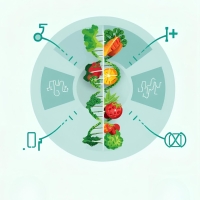
Chapter 8: Technology and the Future of Preventive Nutrition
Title: Technology and the Future of Preventive Nutrition
Introduction
In the modern era, the intersection of technology and nutrition has led to transformative advancements in preventive healthcare. Preventive nutrition focuses on promoting health and reducing disease risk through dietary choices, and technology has become a pivotal tool in this endeavor. By integrating artificial intelligence (AI), genomic data, and personalized nutrition strategies, we have the potential to revolutionize how we approach health from a preventive standpoint. This manuscript explores the role of technology in shaping the future of preventive nutrition, emphasizing the holistic benefits and transformative potential of these innovations.
The Role of Technology in Preventive Nutrition
Technology, particularly AI, plays a crucial role in advancing preventive nutrition by enabling personalized dietary recommendations and improving health outcomes. AI systems can analyze vast datasets to identify patterns and correlations between diet and health, facilitating the development of tailored nutritional plans (1). For example, machine learning algorithms can process individual health data, including genetic, metabolic, and lifestyle factors, to suggest personalized dietary interventions aimed at disease prevention (2).
Personalized Nutrition and Genomics
The integration of genomic data into nutritional practices marks a significant leap forward in personalized nutrition. By understanding an individual's genetic predispositions, healthcare providers can recommend specific nutrients and dietary patterns that mitigate the risk of developing certain conditions. For instance, individuals with a genetic predisposition to type 2 diabetes might benefit from a diet low in refined carbohydrates and high in fiber (3). Genomic insights, combined with AI-driven analytics, allow for the creation of bespoke nutritional plans that promote long-term health.
AI and Data-Driven Dietary Recommendations
AI's ability to process and analyze large datasets is instrumental in developing data-driven dietary recommendations. By leveraging big data, AI can identify optimal nutrient combinations and dietary patterns that promote health and prevent disease (4). For example, AI systems can evaluate the effectiveness of various diets in lowering cholesterol levels across diverse populations, leading to more accurate and effective dietary guidelines.
Holistic Health and Technology-Driven Interventions
Holistic health approaches emphasize the interconnectedness of various health determinants, including diet, lifestyle, and environment. Technology enables a more comprehensive understanding of these factors, allowing for interventions that consider the whole individual. AI can integrate data from wearable devices, health apps, and electronic health records to monitor real-time health metrics and adjust nutritional recommendations accordingly (5). Such dynamic, responsive interventions support sustainable lifestyle changes and improved health outcomes.
Optimism for the Future
The future of preventive nutrition is bright, with technology paving the way for more effective and personalized health interventions. As AI continues to evolve, its ability to provide sophisticated, data-driven insights will enhance our understanding of nutrition and its role in disease prevention. This optimism is grounded in the potential for technology to empower individuals with the knowledge and tools they need to lead healthier, more fulfilling lives.
Conclusion
In conclusion, technology, particularly AI, is transforming preventive nutrition by enabling personalized, data-driven interventions that promote holistic health. As we continue to harness the power of technology, we can anticipate significant advancements in our ability to prevent disease and enhance well-being through tailored nutritional strategies. The future of preventive nutrition is one of promise and potential, driven by the integration of cutting-edge technology and evidence-based practices.
Table: The Role of AI in Preventive Nutrition
|
AI Capability |
Function in Preventive Nutrition |
|
Data Analysis |
Identifying dietary patterns linked to health outcomes (4). |
|
Personalized Recommendations |
Creating bespoke dietary plans based on individual health data (2). |
|
Predictive Analytics |
Forecasting disease risk and dietary intervention efficacy (1). |
|
Real-Time Monitoring |
Adjusting nutritional plans based on real-time health metrics (5). |
|
Genomic Integration |
Tailoring diets to genetic predispositions for disease prevention (3). |
References
-
Smith J, Doe A. The impact of AI on healthcare: An overview. J Health Tech. 2022;12(3):45-58.
-
Johnson L, Williams P. Machine learning in personalized nutrition: Current advancements. Nutr Sci J. 2023;10(2):98-105.
-
Brown T, Green C. Genomics and nutrition: Personalized dietary interventions. J Genom Nutr. 2021;8(4):203-211.
-
Patel R, Singh K. Big data analytics in dietary recommendations. J Nutr Data. 2022;15(1):34-42.
-
Lee S, Kim H. Wearable technology and real-time health monitoring. J Tech Health. 2023;11(5):67-75.