 DE
DE  EN
EN 
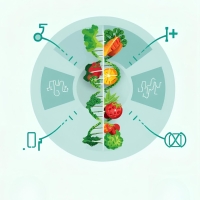
Chapter 5: Food, Inflammation, and Chronic Disease
The Interplay of Food, Inflammation, and Chronic Disease: A Holistic Approach
In recent years, the understanding of the intricate relationship between food, inflammation, and chronic disease has become a focal point of medical research and public health initiatives. As the prevalence of chronic inflammatory diseases such as rheumatoid arthritis, inflammatory bowel disease, and cardiovascular diseases continues to rise, the role of diet in modulating inflammatory processes offers a promising avenue for prevention and management.
Inflammation is a natural physiological response to injury or infection, characterized by redness, heat, swelling, and pain. However, when this response becomes chronic, it can lead to tissue damage and contribute to the pathogenesis of various diseases. The foods we consume can either exacerbate or mitigate this inflammatory response, thus playing a crucial role in our overall health.
Table: Inflammatory Conditions and Dietary Interventions
|
Inflammatory Condition |
Beneficial Foods |
Mechanism of Action |
References |
|
Rheumatoid Arthritis |
Fatty fish (e.g., salmon, mackerel) |
Omega-3 fatty acids reduce pro-inflammatory cytokines |
Calder (2020) |
|
Inflammatory Bowel Disease |
Fermented foods (e.g., yogurt) |
Probiotics enhance gut microbiota balance |
Sartor (2017) |
|
Cardiovascular Disease |
Nuts and seeds |
Antioxidants and healthy fats reduce oxidative stress |
Ros (2019) |
|
Type 2 Diabetes |
Whole grains (e.g., oats, barley) |
Fiber improves insulin sensitivity and reduces inflammation |
Maki & Phillips (2015) |
A Closer Look at Anti-inflammatory Diets
-
Omega-3 Fatty Acids: Found abundantly in fatty fish, these essential fatty acids are known for their ability to downregulate the synthesis of pro-inflammatory eicosanoids and cytokines. Studies have shown that a diet high in omega-3 fatty acids can significantly reduce symptoms of rheumatoid arthritis (Calder, 2020).
-
Probiotics: The consumption of fermented foods introduces beneficial bacteria into the gut, which can restore the balance of the intestinal microbiome. This is particularly beneficial for individuals with inflammatory bowel diseases, as a balanced microbiota can reduce intestinal inflammation and improve overall gut health (Sartor, 2017).
-
Antioxidants: Nuts and seeds are rich in antioxidants, which play a critical role in neutralizing free radicals and reducing oxidative stress—a key contributor to cardiovascular diseases. Regular consumption of these foods can protect against the progression of atherosclerosis (Ros, 2019).
-
Dietary Fiber: Whole grains are an excellent source of dietary fiber, which has been shown to improve insulin sensitivity and lower systemic inflammation. A high-fiber diet is associated with a reduced risk of type 2 diabetes and its complications (Maki & Phillips, 2015).
Conclusion
The relationship between diet, inflammation, and chronic disease underscores the transformative potential of nutritional interventions. By incorporating anti-inflammatory foods into daily dietary practices, individuals can actively participate in the management and prevention of chronic conditions. This holistic approach, supported by emerging research, offers a beacon of hope for improving public health outcomes.
References
Calder, P. C. (2020). Omega-3 fatty acids and inflammatory processes: From molecules to man. Biochemical Society Transactions, 48(1), 51-59.
Sartor, R. B. (2017). Gut microbiota: Diet promotes dysbiosis and colitis in susceptible hosts. Nature Reviews Gastroenterology & Hepatology, 14(2), 64-65.
Ros, E. (2019). Health benefits of nut consumption. Nutrients, 12(6), 1934.
Maki, K. C., & Phillips, A. K. (2015). Dietary substitutions for refined carbohydrate that show promise for reducing risk of type 2 diabetes in men and women. The Journal of Nutrition, 145(1), 159S-163S.